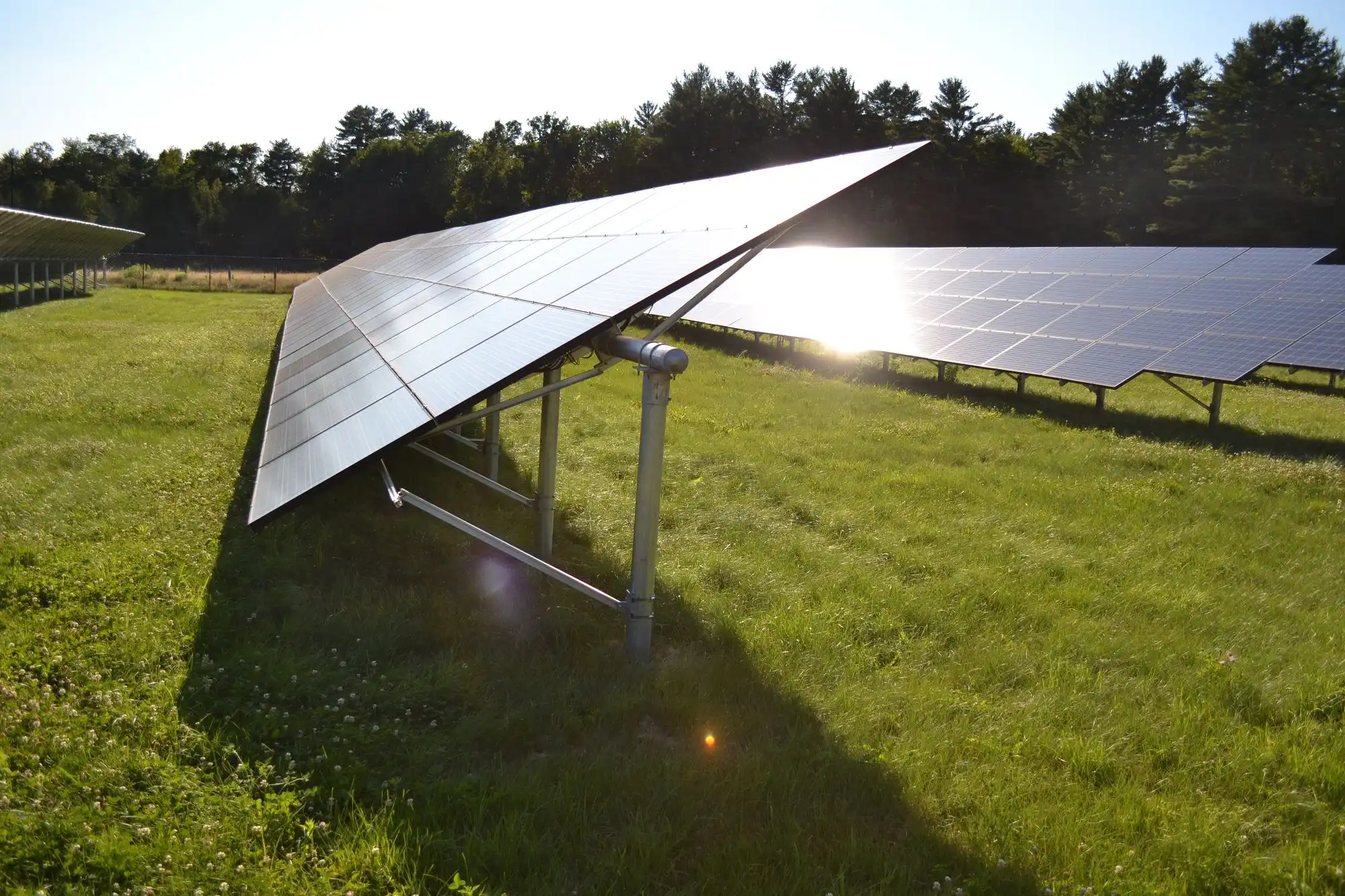
Solar array on the grounds of a school

Solar for New Zealand schools and colleges

A school draws most of its power in class hours, which is exactly when solar produces. We size the system to your term-time daytime load, model the savings from your own consumption data, and give the board the numbers before anything is ordered.

  • Free site assessment and quote
  • Engineer-designed systems
  • 10-year workmanship warranty

School solar across the North Island

What's included

  • Free site assessment and a savings and payback report from your school's own usage data
  • System design and engineering by our electrical engineers
  • Structural assessment by a CPEng-qualified engineer where the roof needs it
  • Network connection application and consent exemption assistance
  • Installation, testing and commissioning by SEANZ-authorised installers
  • Monitoring set up for your property team, with a display option for students

Schools use power when the sun is up

Lighting, heating, ventilation, IT suites, kitchens and workshops all run between about 8am and 4pm on a school day. That is the solar production window, so power generated on the roof offsets grid power directly instead of being exported at a lower rate. It is the same reason commercial solar works, and it applies to a school more cleanly than to most buildings.

The honest complication is the summer holidays. Production is at its highest in January, when the site is close to empty. We plan for that rather than around it: the array is sized to the load in class hours, the proposal separates what is used on site from what is exported, and where export pushes the payback out too far we look at a smaller or staged system, or at storage.
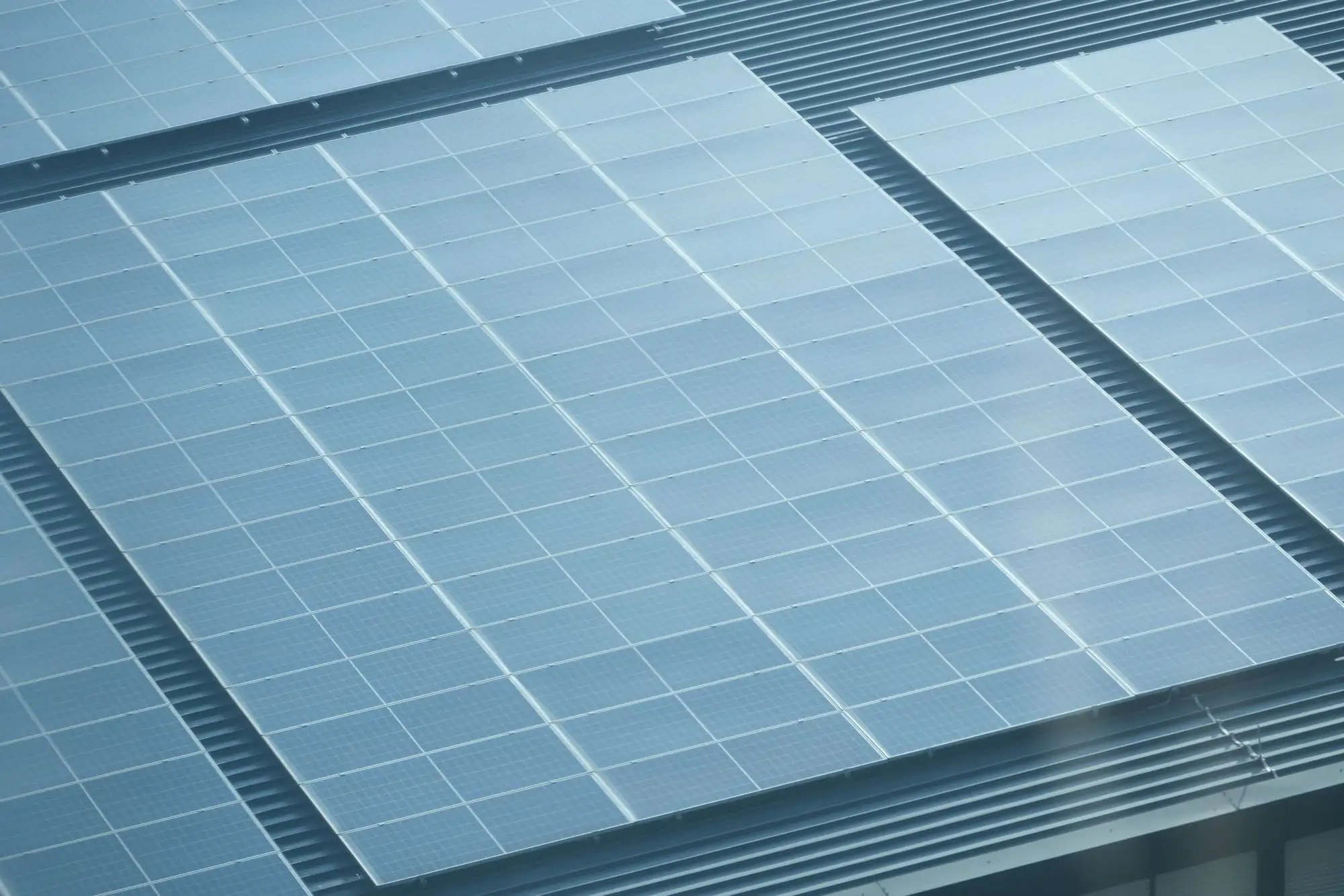
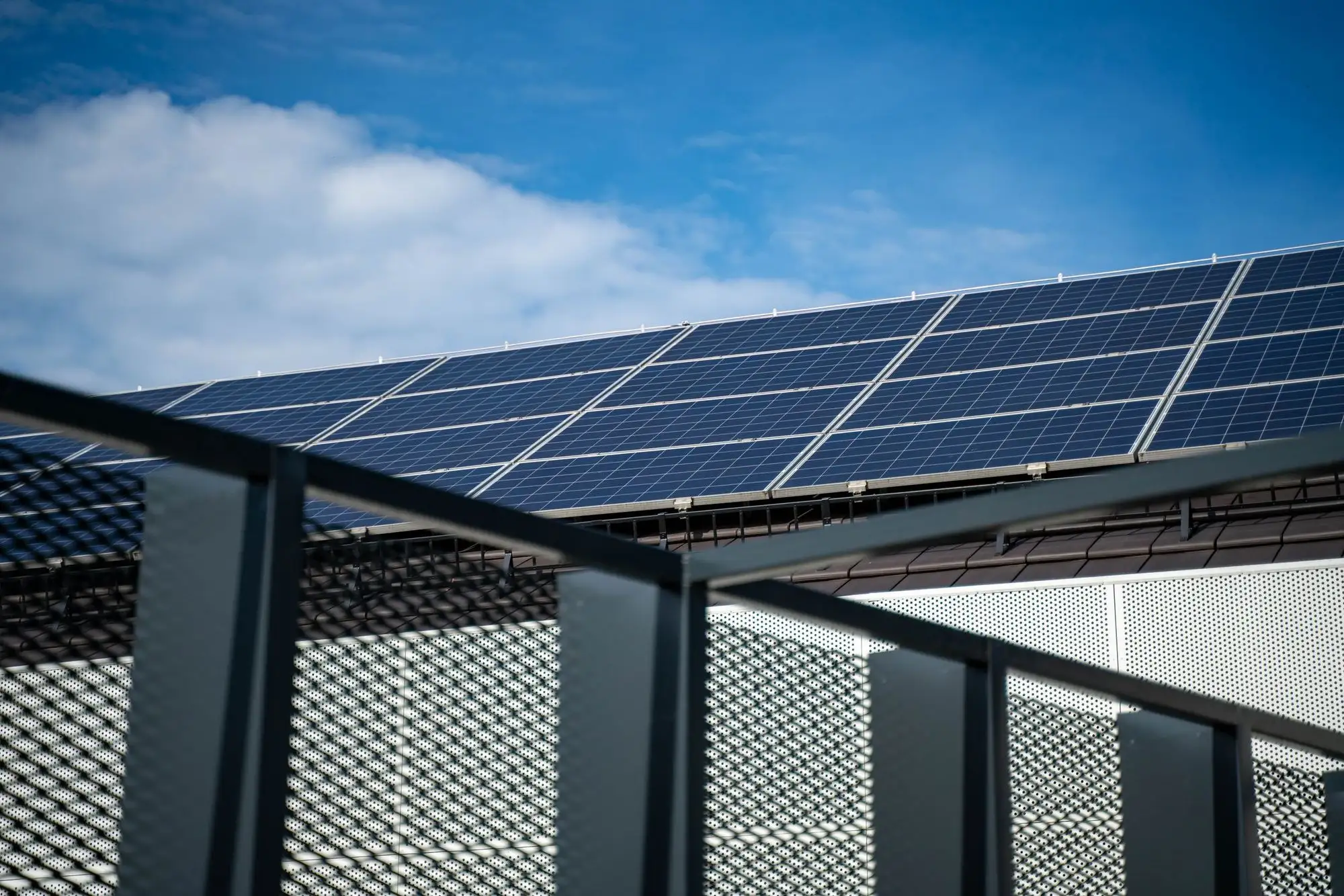
Solar panels integrated into a commercial roof

A proposal your board can sign off

Solar Scope is run by electrical and electronics engineers. We start with half-hourly consumption data from your retailer, match it to the school calendar, and model the system against what the school actually uses. The proposal shows expected bill savings, payback and the options, and it is written to be read by a board of trustees and a property manager.

System engineering, detailed design, the network connection application and consent exemption assistance are done in-house. Where the roof structure needs checking we bring in a CPEng-qualified engineer. Installation, testing and commissioning are carried out by SEANZ-authorised, EWRB-registered electrical contractors, and we coordinate the project so the school deals with one team.

Panels are premium brands chosen to suit the site, including Jinko Solar, LONGi, AIKO, JA Solar and Canadian Solar, with Sungrow, Sigenergy and Enphase inverters. Final product selection depends on the project.

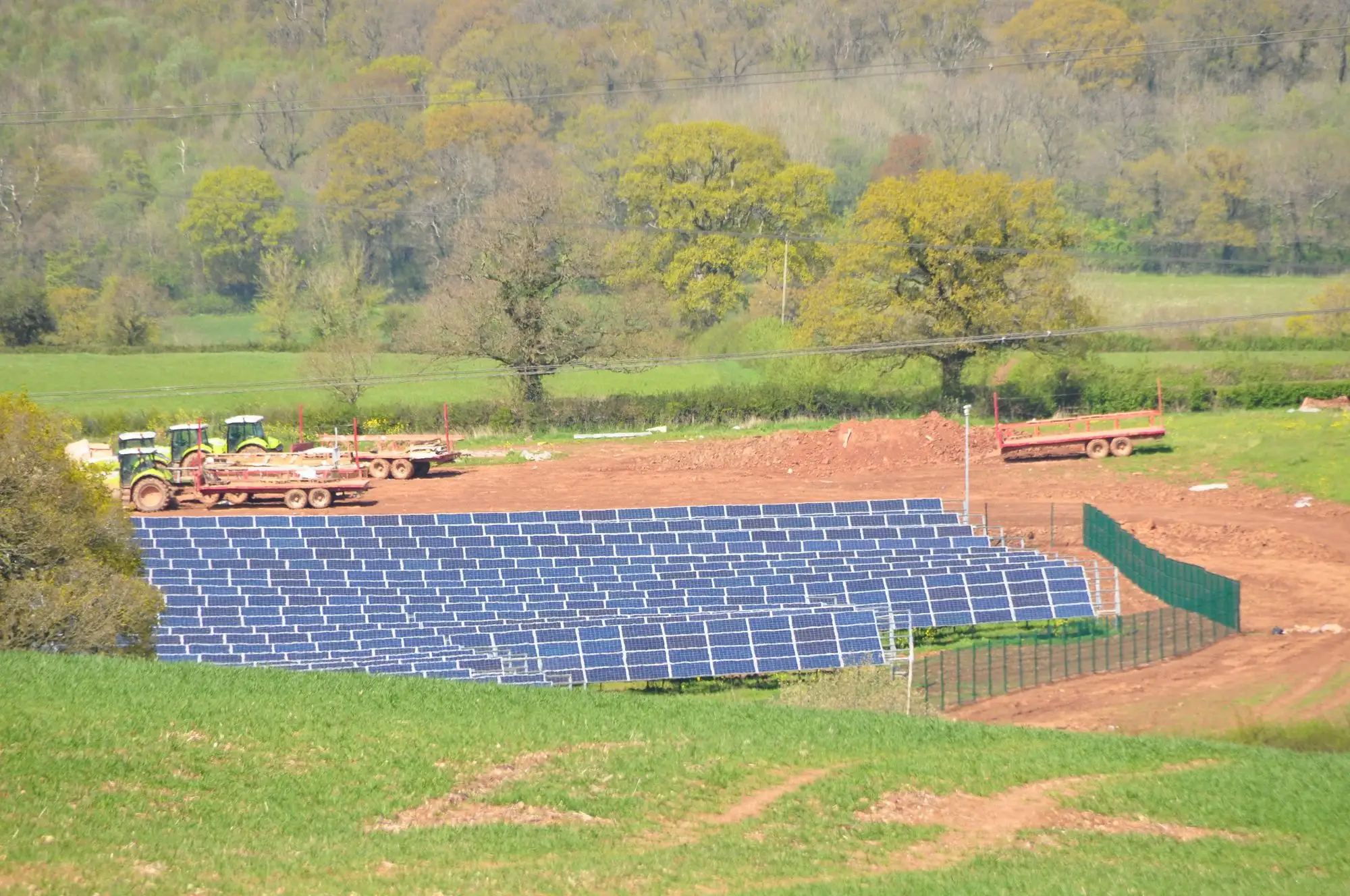
Solar array under construction

Installed around the school calendar

Work on an occupied school site has to fit the school, not the other way round. We plan installs into term breaks where we can, stage them building by building where that works better, and agree access, parking and site safety with your property manager before anyone arrives.

Handover includes monitoring set-up, so your property team can see production and consumption day to day and pick up a fault early. The same data can go on a screen in the foyer or into a science or technology class, which is usually the part the students notice. We stay on for technical support, and can look at battery storage for backup, or EV charging for staff and vans, when the numbers support it.

Rooftop solar panels feeding a battery system

How the job runs

  1. Step 1 of 3

    Usage review

    We obtain half-hourly data from your retailer and read it against the school calendar, so the system is sized to the load in class hours rather than an annual average.

  2. Step 2 of 3

    Board-ready proposal

    You get system options with modelled savings, payback and an implementation plan, written to be read by a board and a property manager rather than an engineer.

  3. Step 3 of 3

    Approvals and install

    We prepare the technical documentation for the approvals your school needs, lodge the network connection application, then our installers fit and commission the system, normally in a term break.

School solar: common questions

Does solar still stack up when the school closes over summer?

It is the first thing to check, and we check it with your data rather than an assumption. Production peaks in January when most schools are empty, so we size the array to what the school uses in class hours, which keeps most generation on site, and the proposal shows separately what would be exported. Where the export makes the numbers thin, a smaller array, a staged system or battery storage usually changes the answer.

What size system does a school need?

From around 10 kW on a single block up to several hundred kilowatts across a full site. Where a school sits in that range depends on roll, buildings and how much of the load is daytime.

How accurate are the savings figures?

A recent power bill gives an estimate at roughly 80 to 85 percent accuracy. Twelve months of half-hourly data from your retailer lifts that to roughly 90 to 95 percent, and we help you request it. We do not quote generic savings figures.

How do schools usually pay for it?

Most commonly from board funds, fundraising or a community trust. Finance can also be introduced through third-party lenders or project partners. Whichever route you take, the proposal gives the board modelled savings and a payback period to weigh it against.

Do we need consent, and who has to approve the work?

Most roof-mounted systems qualify for a consent exemption, which we assess, and where the roof structure needs checking we bring in a CPEng-qualified engineer. Work on school buildings also goes through your board and the Ministry of Education's property process, and we prepare the technical documentation those approvals ask for.

When would the installation happen?

We plan the work around the school calendar, normally a term break, and stage it building by building where that suits the site better.

Can students see what the system is doing?

Yes. Monitoring is set up at handover, and the same production and consumption data can be put on a screen in a foyer or used in class.

Who does the installation?

Registered, SEANZ-authorised electrical contractors we work with on every project. Solar Scope designs, procures and coordinates, then tests and hands over.

Step 1 of 7

About a minute

What do you need done?

Tell us about the job

What's your name?

Best number to call you on?

We call or email to arrange the site visit.

Where can we reach you?

Your email, so we can send the price in writing.

Where's the job?

When do you need it?

Or pick a date:

Sending your details

One moment.

That didn't send

Our anti-spam check could not run, so your enquiry has not reached us yet. It is usually a browser extension, a VPN or a work network blocking it.

Quickest fix: call 022 057 3554. Your details are still on this screen if you'd rather try again.

Request a free site assessment

Tell us about the property and what you want from solar. We come back within one business day, and a recent power bill lets us model your savings before anyone visits.

Your details go straight to Ashar at Solar Scope. No spam, ever.

Ready to get it sorted?

Send your details and Ashar will be in touch to book the site visit. Or call.

Call now Get a quote